2026 Solar Eclipse in Spain: Complete Travel Guide for Visitors
Why the 2026 Solar Eclipse in Spain Will Be Extraordinary
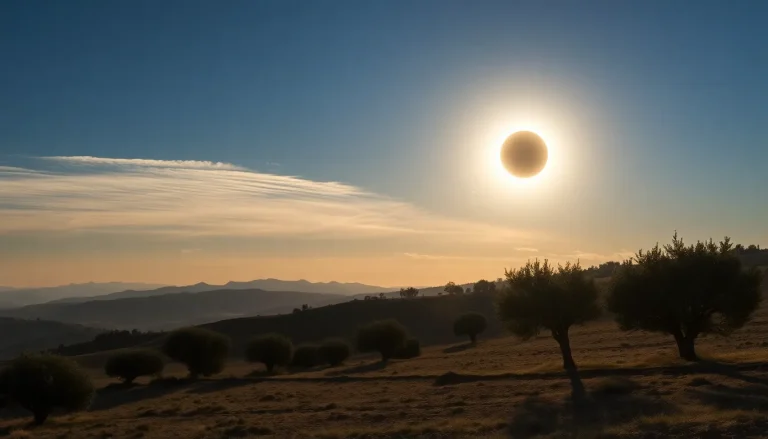
On August 12, 2026, Spain will experience its first total solar eclipse since 1905—a rare celestial event lasting approximately 1 hour before sunset. This makes Spain the premier European destination for eclipse chasers, offering:
- Golden Hour Phenomenon: The sunset alignment creates a unique “horizontal corona” effect with elongated shadows impossible during midday eclipses
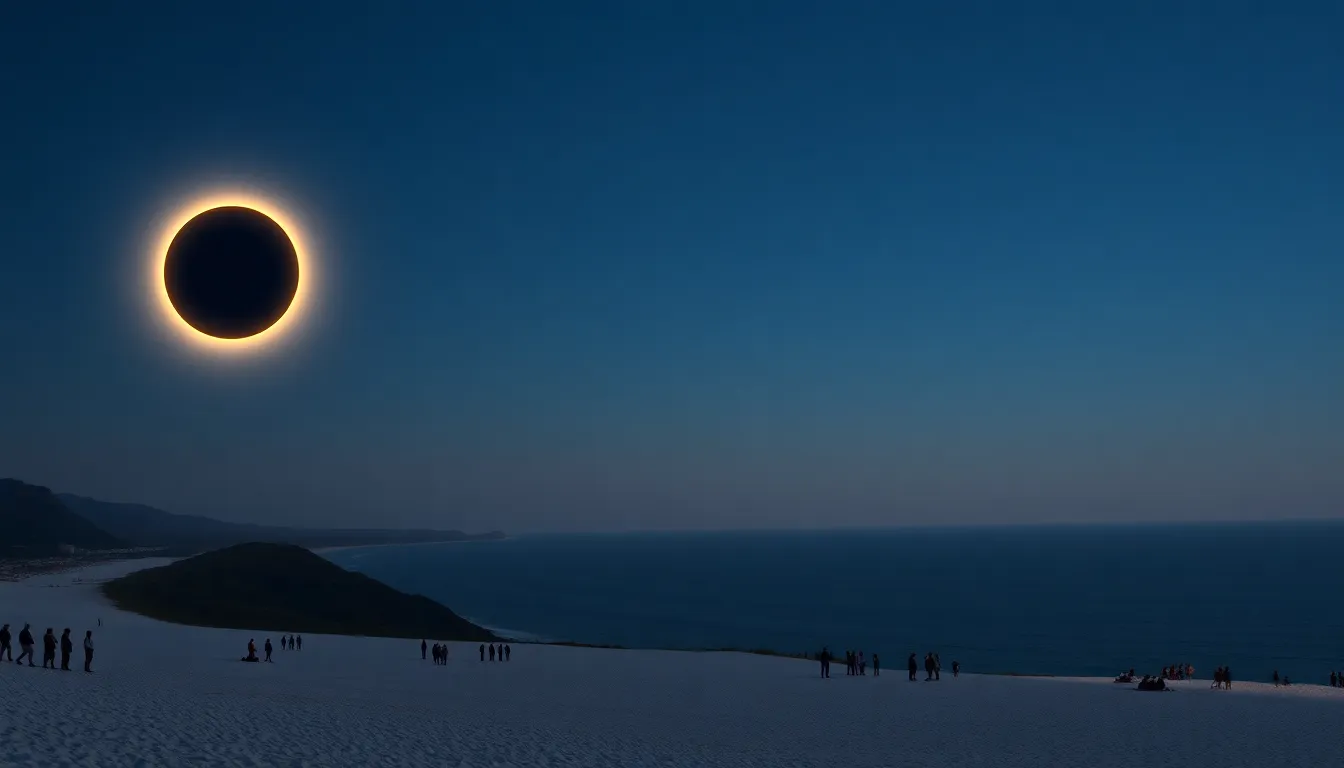
- Dual-Location Advantage: View from Galicia’s rugged coastline or Andalusia’s white villages – entirely different cultural experiences under the same eclipse
- Guaranteed Weather: August boasts 85% clear sky probability in eastern Spain versus 65% in northern regions
- Cultural Synergy: Experience local festivals like A Rapa das Bestas horse traditions in Galicia coinciding with eclipse dates
The Science Behind the Spectacle
The moon’s umbra will first touch land at Ría de Arousa (Galicia) at 19:38 CEST, racing southeast at 2,900 km/h. Maximum totality reaches 2m18s near Burgos before exiting near Valencia at sunset. This creates three distinct viewing experiences:
- Coastal Dawn Effect (Galicia): Partial eclipse begins over the ocean with possible “black sunrise” illusions
- Inland Maximum Totality (Castile-León): Longest darkness duration near Medina del Campo
- Sunset Merger (Valencia): Eclipse concludes as the sun touches the Mediterranean horizon
Essential Eclipse Travel Logistics
When to Arrive
Book accommodations 12-18 months in advance for prime locations. Key dates:
| Timeline | Action Items |
|---|---|
| Jan 2025 | Reserve hotels with free cancellation policies |
| Nov 2025 | Secure rental cars (expect 300% price surges) |
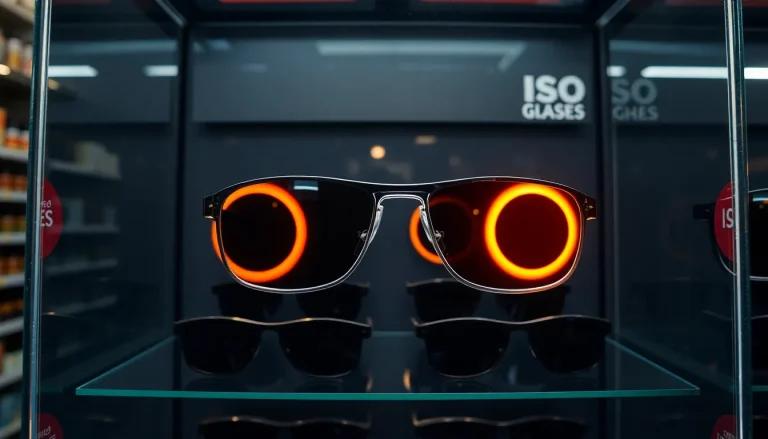
| April 2026 | Purchase eclipse glasses (ISO 12312-2 certified) |
| Aug 10, 2026 | Arrive in Spain to acclimate and scout locations |
Transportation Realities
Spanish roads will face unprecedented congestion. Smart strategies:
- RENFE trains from Madrid to Palencia/Burgos have dedicated eclipse routes
- Ferry services in Galicia add eclipse cruises from Vigo harbor
- Helicopter transfers available from Bilbao to high-altitude viewing near Picos de Europa
Top 5 Cities for Eclipse Viewing
1. Arousa Estuary, Galicia
Why: First land contact with dramatic ocean backdrop
Viewing spots:
– Illa de Arousa’s western beaches
– Cambados stone watchtowers (book through tourism office)
Unique perk: Seafood feasts during partial phases
2. Medina del Campo, Castile-León
Why: Longest totality (2m18s) near this historic town
Pro tip: The castle’s battlements offer 360° views
Hidden gem: Local astronomers host telescope workshops
3. Cuenca, Castilla-La Mancha
Why: “Hanging houses” create surreal eclipse shadows
Photo ops: San Pablo Bridge vantage point
Caution: Limited parking in old town
4. Requena, Valencia
Why: Eclipse sunset over vineyards
Local event: Bobal wine tastings during totality
Logistics: Shuttle buses from Valencia city
5. Albarracín, Teruel
Why: Medieval walls amplify crowd roar effect
Special access Nighttime eclipse viewing permits for photographers
Eclipse-Ready Accommodations
Luxury Options
Parador de Santiago (Galicia): Rooftop viewing with astrophysicist guides
Castle of Buen Amor (Salamanca): Private astronomy domes for guests
Mid-Range Gems
Hotel Posada Real Los Antoninos (Medina): Eclipse countdown clocks in rooms
Cuevas del Almanzora (Andalusia): Cave hotels with natural cooling
Budget Solutions
Pensiones along Camino de Santiago route offering pilgrim discounts
Agriturismos in Valencia region with eclipse watching parties
Eclipse-Themed Gastronomy
Specialty Dishes
“Corona Tapas” in Madrid: Black squid ink & white garlic mayo bites
“Umbra Menus” in Burgos: Five-course darkness-to-light dining experience
Must-Try Local Flavors
Galicia: Padrón peppers harvested during eclipse (limited batch)
Castile: Eclipse-shaped marzipan from Toledo convents
Valencia: Horchata served in gradient glasses mimicking corona
Professional Viewing Tips
Equipment Essentials
- Solar-filtered binoculars (Baader AstroSolar film recommended)
- Intervalometer for DSLRs to capture diamond ring effect
- Red LED headlamp for gear adjustments during totality
Composition Techniques
Foreground magic: Position olive trees or windmills in silhouettes
Timelapse tip: Start 30 minutes before first contact for shadow bands
Audio advice: Record ambient sounds – animals often go silent
Safety Protocols
Eye Protection
Certified glasses: Verify ISO 12312-2 marking (no scratches!)
Children: Use eclipse projectors instead of direct viewing
Warning: Regular sunglasses offer ZERO protection
Crowd Management
Designated zones: Look for “Zona Eclipse” municipal signage
Emergency exits: Note evacuation routes at large gatherings
Medical: Red Cross stations at all major viewing areas
Budget Breakdown (Per Person)
| Category | Budget | Mid-Range | Luxury |
|---|---|---|---|
| Accommodation (3 nights) | €120-200 | €350-600 | €900+ |
| Transport | €50 (bus) | €200 (train+car) | €600 (helicopter) |
| Viewing Gear | €15 | €120 | €400+ |
| Dining | €60 | €150 | €300+ |
Eclipse Event FAQ
Q: Can I see it from Barcelona/Madrid?
A: Partial eclipse only (Madrid 90%, Barcelona 87%). Totality path misses major cities intentionally.
Q: Best backup location if cloudy?
A: Teruel’s high desert has Spain’s lowest August cloud cover at 12%.
Q: Are pets safe during totality?
A: Yes, but keep dogs leashed – many exhibit unusual behavior when shadows race.
Q: When’s the next Spain eclipse?
A: August 2, 2027 crosses southern Spain – but totality occurs at midday with different characteristics.
Weather Contingency Plans for Eclipse Day
Regional Cloud Cover Probabilities
August microclimates vary dramatically across Spain’s eclipse path:
| Region | Historical Clear Sky % | Best Backup Town |
|---|---|---|
| Galicia Coast | 58% | Ourense (inland thermal belt) |
| Castile-León | 72% | Calar Alto Observatory |
| Valencia | 89% | Xàtiva mountain vantage points |
Real-Time Decision Making
Download these essential apps 48 hours before:
- MeteoEarth: High-resolution cloud movement forecasts
- Sat24: Live satellite imagery with 15-minute updates
- AEMET: Spanish meteorological service severe weather alerts
Pro Tip: Bookmark eclipse-chasers.com/live for crowd-sourced visibility reports from amateur astronomers stationed along the path.
Cultural Events During Eclipse Week
Galicia’s Night of the Shooting Stars
The Perseid meteor shower peaks August 11-12, creating a celestial double feature. Local traditions:
- Romería de San Lourenzo: Nighttime pilgrimages to mountain viewpoints
- Queimada rituals: Witches’ brew ceremonies to “cleanse” the eclipse energy
Castile’s Eclipse Markets
Medieval towns host special astronomy-themed markets:
- Segovia: 15th-century instrument makers demonstrate astrolabes
- Ávila: Night watchmen reenact historic eclipse observations
Valencia’s Light Festival
Fallas artists create temporary eclipse-inspired installations:
- Giant paper-mâché moon models in Plaza del Ayuntamiento
- Interactive shadow theaters along Turia Gardens
Alternative Accommodation Strategies
Monastery Stays
Several historic convents offer eclipse packages:
- Santo Domingo de Silos: Gregorian chant services during totality
- Poblet Monastery: Astronomy manuscripts from 1905 eclipse on display
Farmhouse Experiences
Agroturismos provide dark-sky advantages:
- Casa Rural El Lagar (Salamanca): Private wheat fields for panoramic views
- Masía Torre Seca (Tarragona): 18th-century irrigation channels create mirror effects
Unexpected Options
Creative solutions when hotels are full:
- Winemaker’s cottages: Rioja/Almansa vineyards renting harvest housing
- Pilgrim hostels: Albergues on Camino routes with eclipse wake-up calls
- Lighthouses: Faro de Cabo de Palos offering astronomer-hosted stays
Advanced Eclipse Photography Techniques
Specialized Equipment Rentals
Services available in major viewing towns:
- Telescope mounts: EQ6-R Pro rigs with solar tracking (€80/day)
- Hydrogen-alpha filters: For capturing solar prominences
- Drone permits: Special eclipse authorization maps for UAV operators
Unique Composition Ideas
- Reflection shots: Use Galicia’s hórreo grain stores as natural mirrors
- Human element: Capture reactions at Plaza Mayor watch parties
- Time blending: Combine partial phases with totality in post-processing
Comprehensive Eclipse FAQ
Q: How early should I arrive at my viewing spot?
A: For prime public locations (castle grounds, main squares), stake out your position 4-5 hours before first contact. Rural areas may require less time, but access roads could be congested.
Q: Can I use my phone to photograph the eclipse?
A: Yes with precautions:
- Attach a solar filter over the lens (not just the screen)
- Disable auto-brightness which will overexpose corona
- Practice manual focus on the moon days beforehand
Q: Are there eclipse-themed souvenirs available?
A> Authentic collectibles to look for:
- Limited edition eclipse sherry from Jerez bodegas
- Handmade eclipse ceramics in Talavera de la Reina
- Commemorative stamps at Correos offices
Q: What’s the bathroom situation at viewing sites?
A> Major organized areas will have portable toilets, but rural spots require planning:
- Gas stations along highways will charge for restroom use
- Buy a café con leche at bars for bathroom access codes
- Carry a “pup-up” privacy tent if wilderness viewing
Q: Will my electronic devices be affected?
A> Minimal impact expected, but:
- Temperature drops may temporarily affect battery performance
- Cellular networks could be overloaded in crowds
- GPS signals may briefly fluctuate during totality
Q: Can I combine eclipse viewing with camino hiking?
A> Strategic route options:
- Camino Sanabrés passes through Ourense totality zone
- Camino del Cid crosses Teruel’s high-percentage area
- Rent eclipse day gear storage at albergues along routes
Eclipse Emergency Preparedness
Medical Considerations
- Eye injury stations: Red Cross will operate temporary clinics in all major viewing zones
- Heat precautions August temperatures often exceed 35°C (95°F) – hydrate with electrolyte solutions
- Snake awareness: Rural areas may have vipers; wear ankle boots when off-path
Communication Plans
Assume cellular networks will be overwhelmed:
- Designate meeting points with time-specific plans (“If separated, meet at the church by 18:00”)
- Carry a printed map with GPS coordinates of your viewing location
- Consider walkie-talkies with 5km range for group coordination
Post-Eclipse Transportation
Exodus Strategies
Roads will be extremely congested immediately after totality:
- Delayed departure: Book dinner reservations to wait out initial traffic
- Alternative routes: Study secondary roads on physical maps (not all show on GPS)
- Train priority RENFE adds special late-night eclipse return services
Next-Day Travel Tips
- Airport lines will be longer than usual August 13-14
- Car rental returns may have extended wait times
- Consider extending your stay to visit non-eclipse sites with fewer crowds
Unique Eclipse Experiences
For Science Enthusiasts
- Join citizen science projects measuring temperature drops
- Document wildlife behavior changes at nature reserves
- Participate in ionosphere disturbance experiments
For History Buffs
- Visit Madrid’s Naval Museum to see 1905 eclipse instruments
- Tour ancient solar observatories like El Risco Caído
- Trace Ibn Ezra’s medieval eclipse predictions in Toledo
For Families
- Special children’s programs at science museums along path
- Eclipse shadow puppet workshops in cultural centers
- Glow-in-the-dark eclipse models for nighttime learning
Book Eclipse Accommodation
Booking links. We may earn a commission at no extra cost to you.
Eclipse Glasses & Gear
Affiliate links. As an Amazon Associate we earn from qualifying purchases.
📖 También te puede interesar
🛡️ ¿Necesitas gafas de eclipse homologadas?
Protege tus ojos con gafas certificadas ISO 12312-2 para el eclipse del 12 de agosto de 2026.
Ver Guía Completa de Gafas Homologadas